
In warehousing discussions, the question is often framed too simply: “Is it cheaper to insource or outsource?” In practice, that question frequently leads to the wrong decision.
The real difference between fixed (insourced) and variable (outsourced) warehousing lies in cost behaviour and risk, not headline pricing.
Anchoring the Discussion in South African Reality
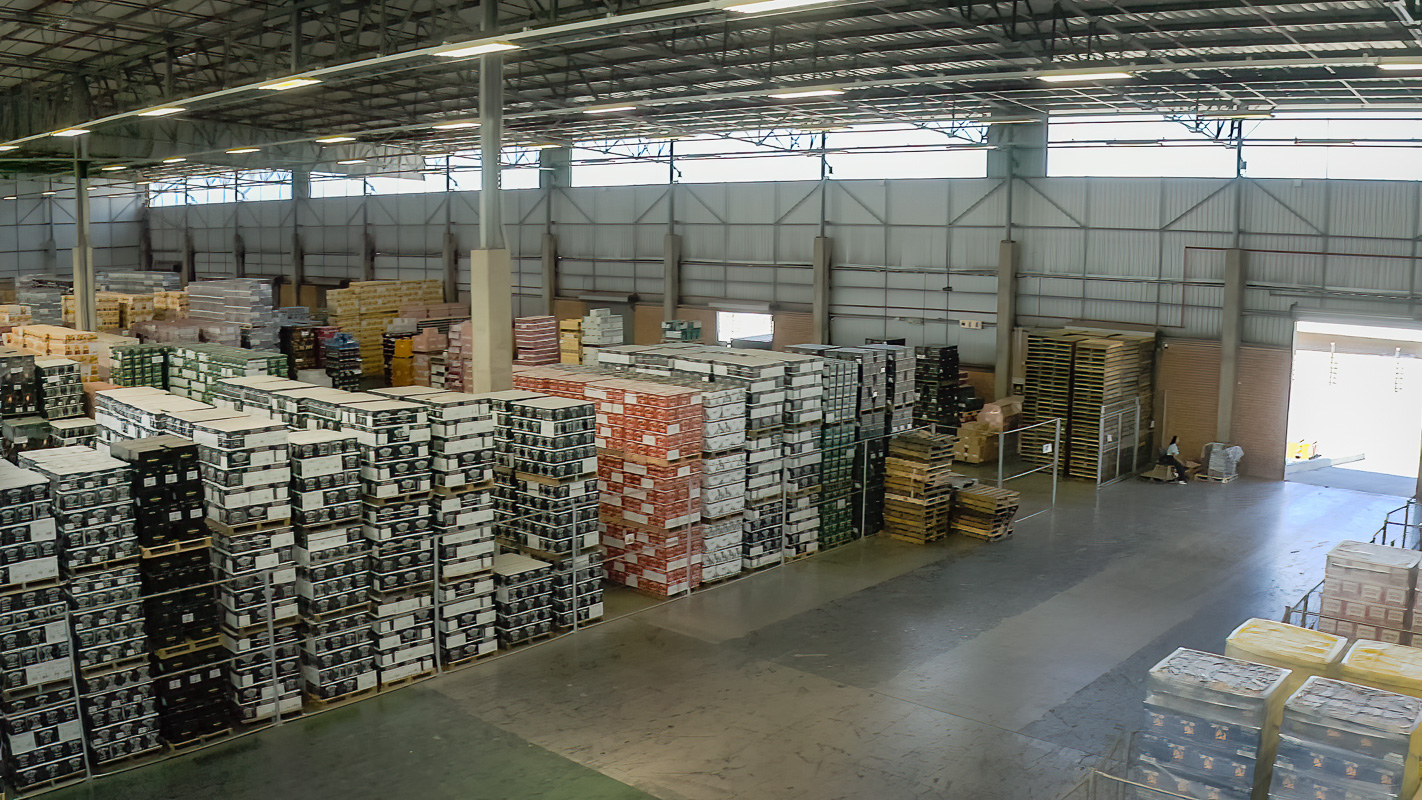
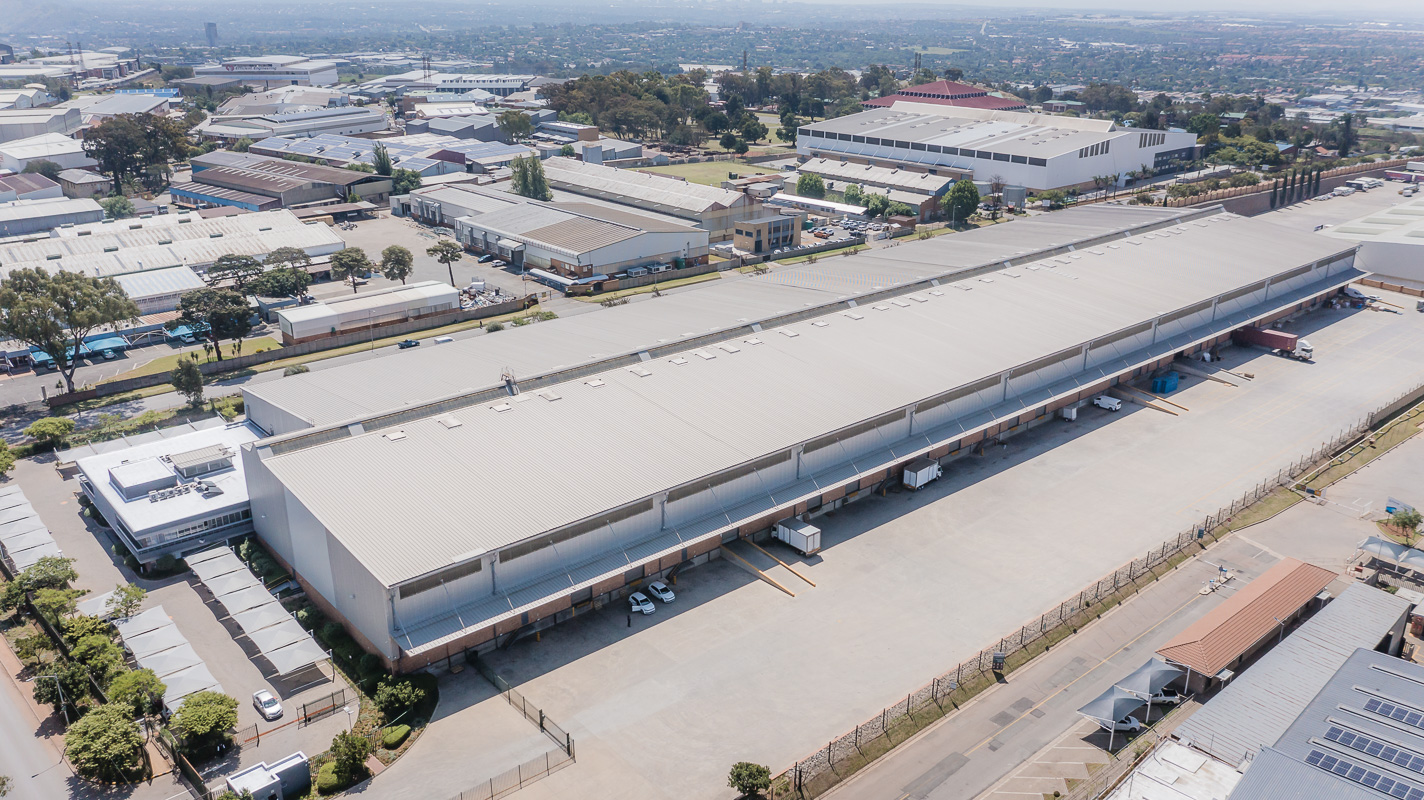
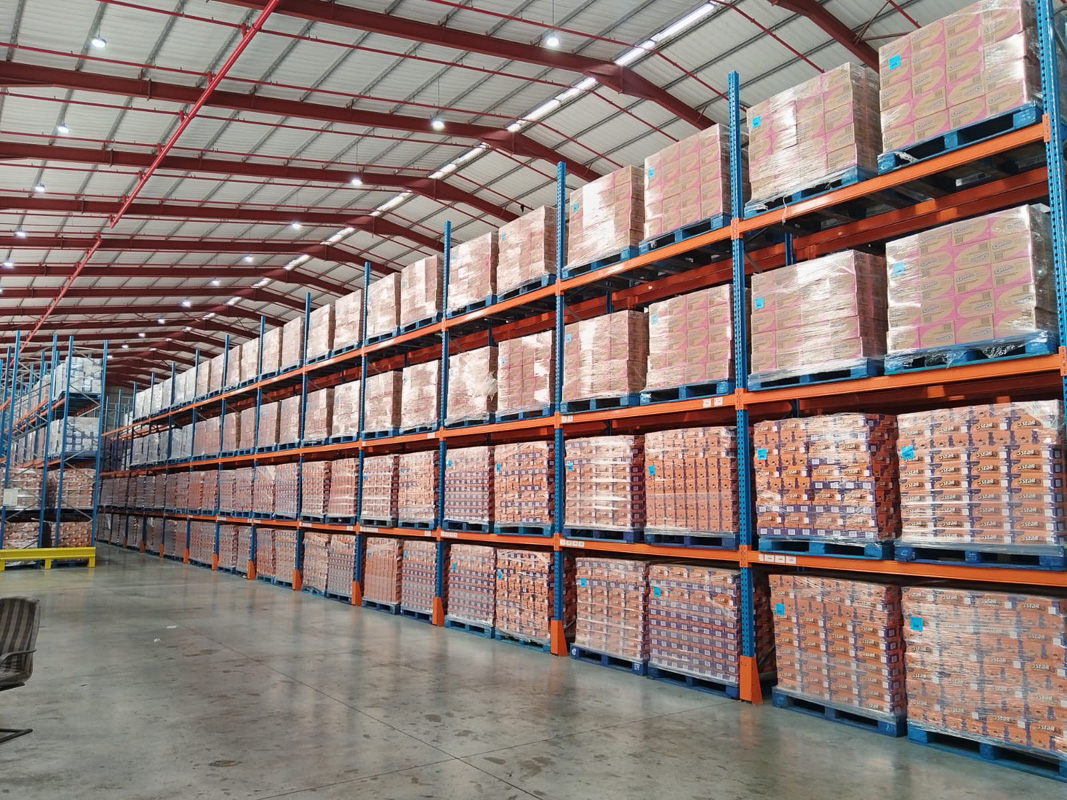
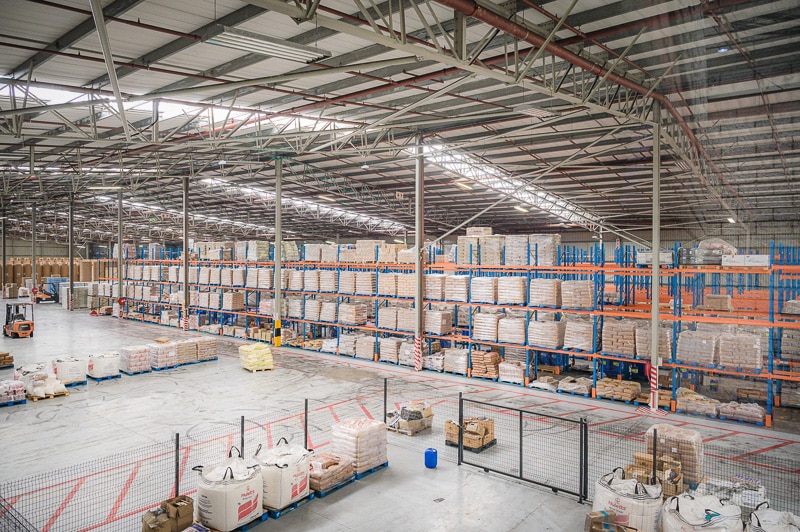
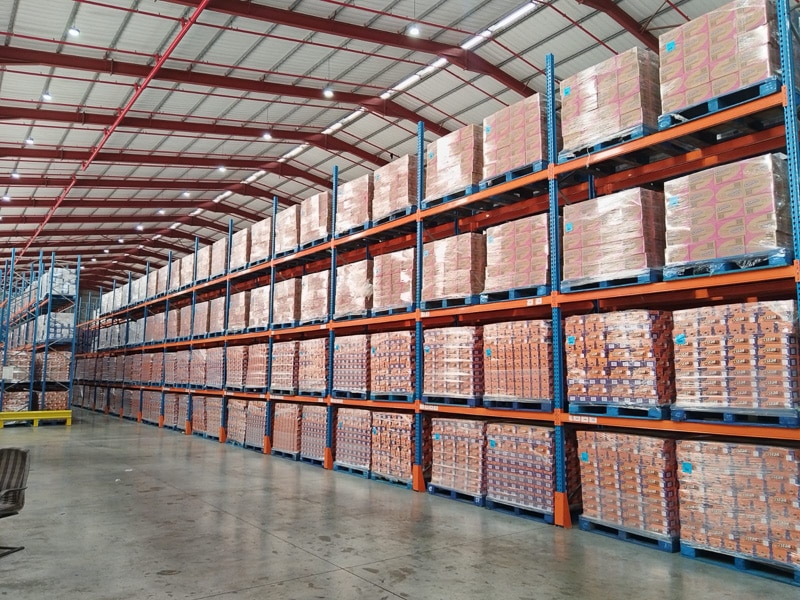
For a typical operation storing approximately 1,500 pallets, the space requirement in South Africa is usually in the region of 2,000–3,000 square metres, depending on pallet configuration, stacking height, aisle width, and selectivity requirements.
At prevailing B-grade industrial market rates, this translates into realistic rental costs — not best-case or artificially low assumptions.
A lean, bargaining-council-aligned fixed warehouse typically includes facility rental, permanent labour, utilities, security, IT/WMS infrastructure, compliance requirements, and insurance. These are fixed operating and infrastructure costs that exist whether the warehouse is full or half empty.
Understanding the Fixed Insource Model
In a fixed insourced model, a business commits to a leased facility, permanent labour, ongoing overheads, infrastructure, and direct insurance cover (including warehouseman’s liability and public liability).
At high and stable volumes, this model performs well: fixed costs dilute across more pallets, unit costs decrease, and insourcing can be very competitive on a per-pallet basis.
Understanding the Variable Outsource Model
In a variable outsourced model, handling is charged per pallet and storage is charged per pallet per week. Labour, space, security, IT, compliance, and warehouseman’s liability insurance are embedded in the service rate.
Where Many Fixed vs Variable Comparisons Go Wrong
In practice, not all fixed costs required to operate a warehouse are always included, or the infrastructure costs needed to run the facility are understated.
Common examples include treating labour as flexible when it is not, excluding utilities or IT costs, ignoring security, compliance or insurance, or assuming unrealistically low rental rates.
When these costs are omitted or minimised, the comparison becomes incomplete and distorts the true economics. A fair comparison must include all fixed operating and infrastructure costs — not just rent.
Snapshot Comparison: What Actually Moves
| Cost Element | Fixed Insource | Variable Outsource |
|---|---|---|
| Warehouse lease | Fixed monthly commitment | Included in rate |
| Permanent labour | Fixed headcount (bargaining council) | Included, scales with activity |
| Utilities & rates | Fixed (space driven) | Included |
| Security & compliance | Fixed | Included |
| IT / WMS | Fixed | Included |
| Insurance | Fixed operating cost (client-held) | Included in rate (provider-held) |
| Handling | Capacity based | Per pallet |
| Storage | Fixed capacity risk | Per pallet / per week |
| Utilisation risk | Client carries risk | Risk transferred to provider |
Figures shown are illustrative and conservative. The purpose is to demonstrate cost behaviour and risk allocation, not to replicate a site-specific P&L.
Which Model Makes Sense?
Fixed Insourcing
Best when volumes are high, predictable, and long-term, allowing space and labour to be consistently utilised and fixed costs to dilute effectively.
Variable Outsourcing
Best when volumes are seasonal, volatile, uncertain, or short-term, where flexibility and risk reduction outweigh pure unit-cost considerations.
Many organisations ultimately adopt a hybrid approach, combining a fixed base load with variable overflow capacity.
The Titan View
At Titan, we don’t push a warehousing model. We help clients model the decision properly, using volume stability, space requirements, labour structure, infrastructure and insurance requirements, time horizon, and risk appetite.
Sometimes the right answer is outsourcing. Sometimes it is insourcing. Often, it is a blend of both. The right decision depends on cost behaviour — not assumptions.
Recent Comments